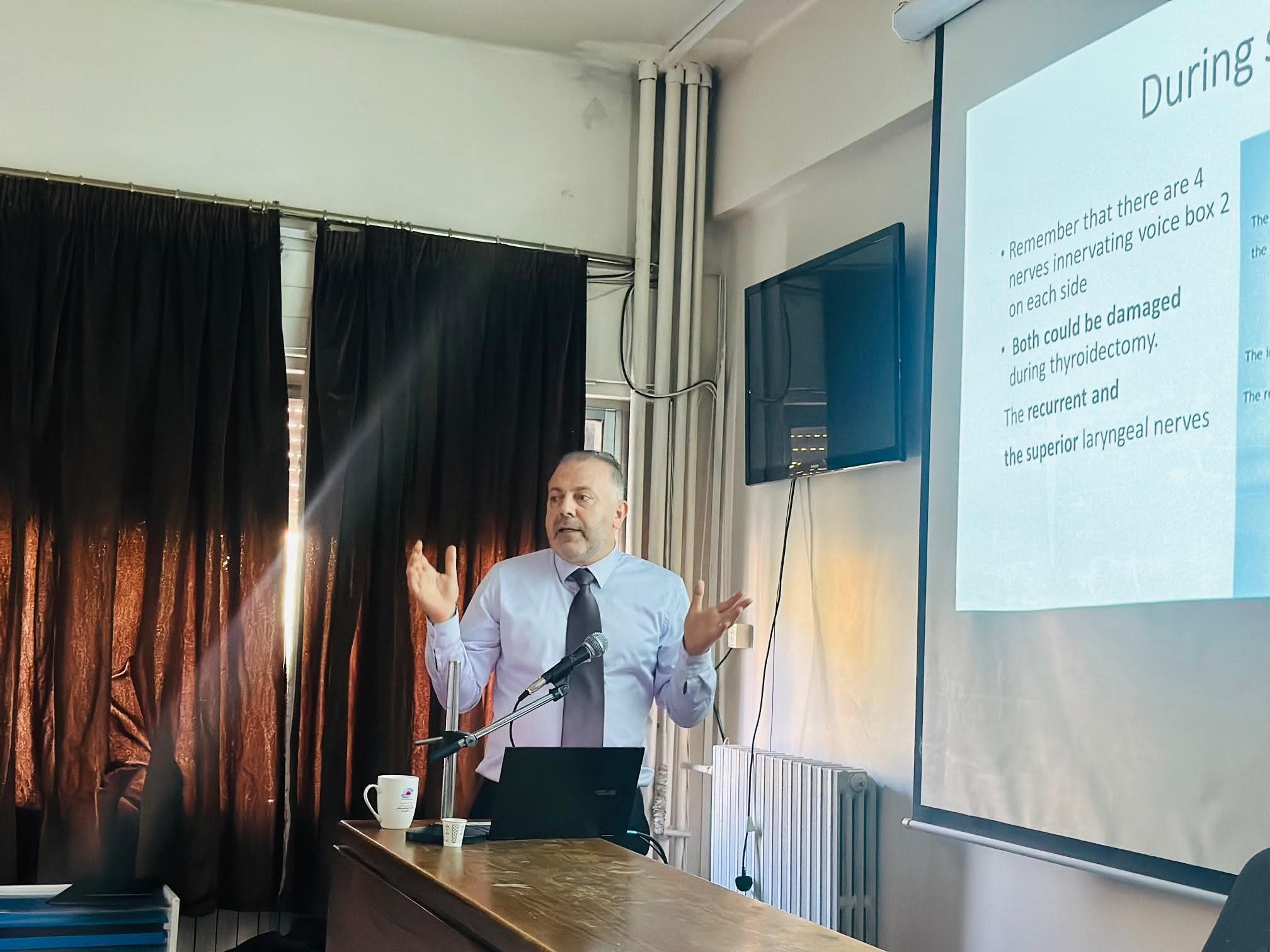
Training of young physician
We participate in training program for medical students, workshops and conferences
Read more
State of art voice and swallowing clinic


Dr. Redwan Kalash is a highly experienced ENT Specialist and Laryngologist with expertise in voice, swallowing, and laryngeal disorders. He has extensive experience in teaching, advanced laryngology procedures, voice box surgery, and office-based treatments. Dr. Kalash is licensed by multiple health authorities across the UAE, Kuwait, and Syria and is dedicated to providing comprehensive, patient-centered care.
Specialized care tailored to your voice and throat health
We participate in training program for medical students, workshops and conferences
Read more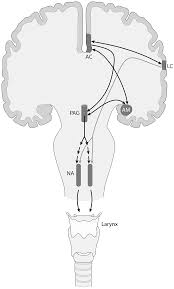
Many diseases—particularly neurological conditions such as cerebral hemorrhage and Parkinson's disease—affect laryngeal function, including voice production, swallowing, and airway protection. At the Larynx and Vocal Cord Clinic, we collaborate with other specialists to treat the adverse effects these conditions have on the larynx.
Read more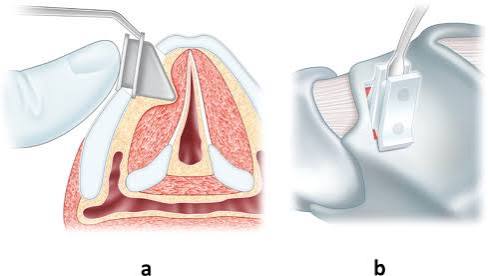
Thyroplasty are surgeries at which we handled the framework of larynx with some modification to solve some intractable voice problems.
Read more
Our main spectrum in Larynx Clinic is diagnosis, treatment and care of hoarse voice
Read more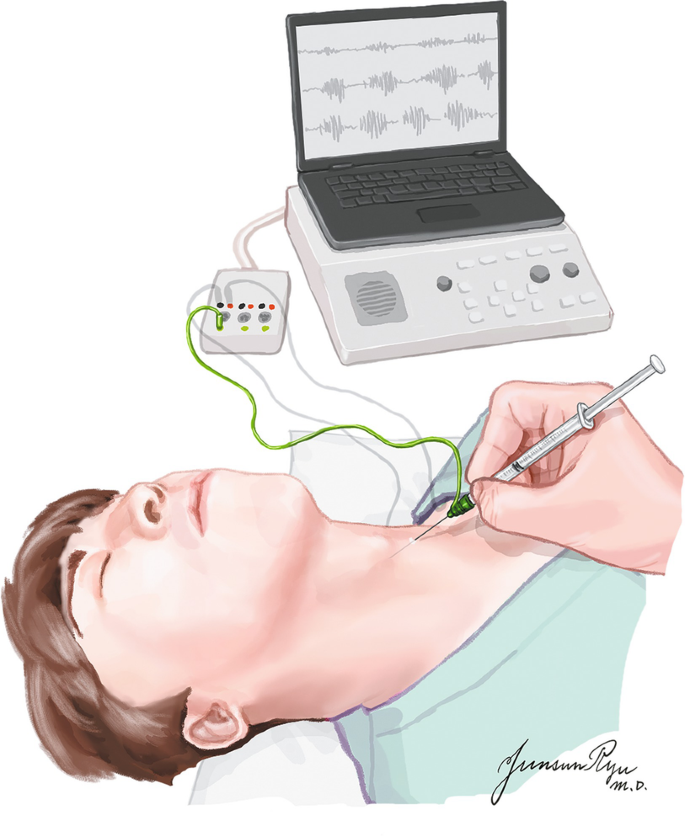
We are doing laryngeal muscles EMG for diagnostic, prognostic and therapeutic purposes
Read more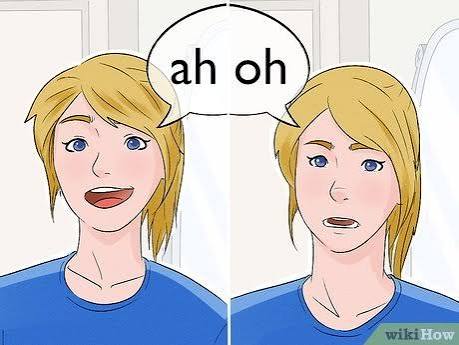
We provide conservative and surgical treatments aimed at modifying vocal pitch. This service helps adjust a person's voice to align with their gender
Read more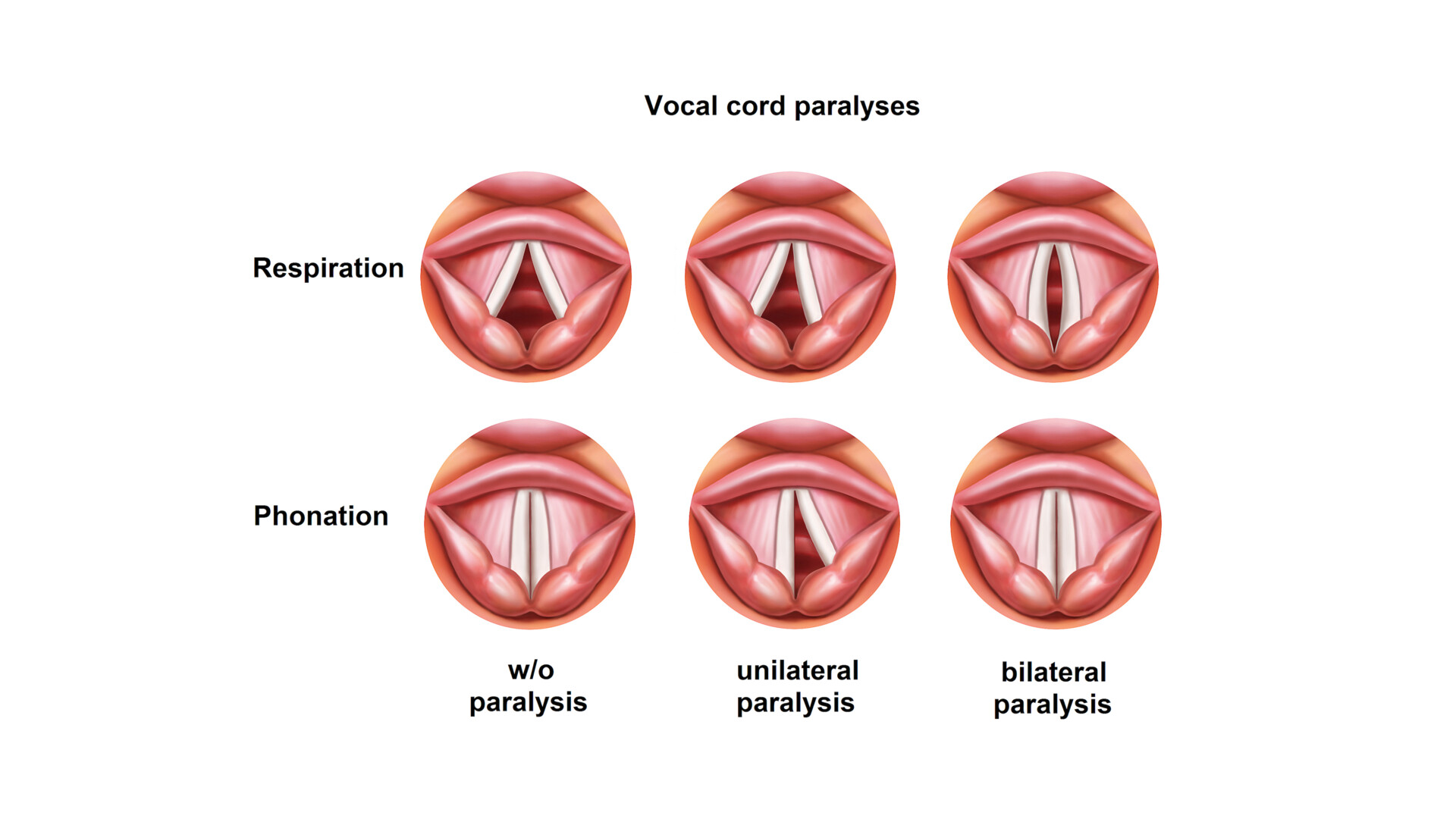
Management of vocal cords movement disorders including: injection of filler, Laser surgery, lateralization, Medialization and re-enervation
Read more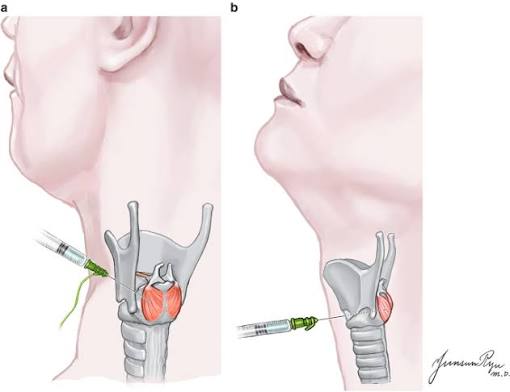
a long list of medications could be injected into vocal cords as easy and simple treatment of several diseases of voice, swallowing and laryngeal diseases
Read more
We care of your voice as a professional voice user
Read more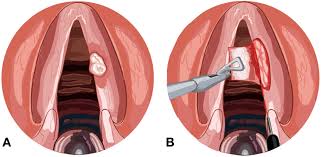
We perform early detection of laryngeal cancers using advanced endoscopic equipment with specialized lighting systems. We treat these cancers using endoscopic microsurgical resection with laser.
Read more
We offer treatment for all types of dysfunction of the upper esophageal sphincter (cricopharyngeal muscle) CPD
Read more
Botox injection into laryngeal muscle as the treatment of spasmodic dysphonia
Read more

Minimally invasive laser surgeries on vocal cords and ear nose throat in awake patient, saving money, time and resources
Read more
The basic Advanced diagnostic test for evaluation of vocal cords and larynx Precise diagnosis of larynx and vocal cords diseases, early detection of vocal cords cancer and studying the vibration of vocal cords to diagnosed VCs pathologies which missed by laryngoscopy.
Read more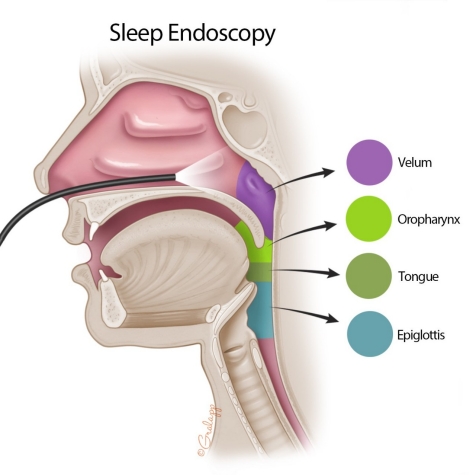
DISE: Drug Induced Sleep Endoscopy: the test which evaluate level of obstruction causing snoring and sleep apnea to suggest suitable treatment
Read more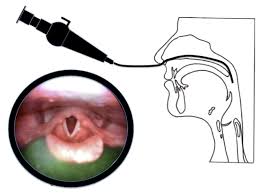
Diagnosis of swallowing disorders by using laryngoscope in the clinic (FEES: Flexible Endoscopic Evaluation of Swallowing) and other investigations
Read moreInsights and guidance from our specialists
Many people complain: "I often feel like something is stuck in my throat, especially when I'm upset." This common complaint usually does not indicate a serious medical condition. The patient should consult both a gastroenterologist and an ENT specialist. If the examination results are normal which is often the case then the patient can be reassured that it is a common and harmless condition triggered by stress or emotional distress. However, if an actual condition is found, such as chronic pharyngitis, hiatal hernia, or acid reflux, appropriate treatment should be administered and the patient can rest assured. But if the sensation appears specifically after eating, it may indicate a more serious underlying issue. Diagnosis can be more difficult in such cases, and specialized swallowing studies like FEES (Fiberoptic Endoscopic Evaluation of Swallowing) or VESS (Video Endoscopic Swallowing Study) should be conducted for accurate diagnosis and treatment. Persistent and worsening throat lump sensations that are unrelated to emotional stress often indicate a more significant medical condition.
Read moreSometimes a person may feel as though something is choking them, and the harder they try to breathe deeply, the worse it gets—their breath becomes louder and breathing more difficult, even though their pulmonologist confirmed their lungs are healthy and they do not have asthma. This is likely due to a condition known as laryngeal spasm , which often occurs when a person is emotionally upset, or after choking on food, drink, or even saliva. Often, the exact cause is hard to determine. If a laryngeal spasm occurs, the patient should breathe in slowly and exhale quickly— slow inhale, fast exhale . This is the opposite of the instinctive deep and fast inhalation that actually worsens the condition due to increased laryngeal closure (based on physics). The patient should be reassured that this is a generally benign condition and does not lead to actual suffocation. Still, an ENT consultation is recommended to rule out other causes.
Read moreSometimes, the vocal cord becomes paralyzed, causing changes in voice and breathing. The vocal cords serve several vital functions: Producing sound: The two true vocal cords come close together and vibrate rapidly (like clapping) to generate sound, which is then transformed into speech by the palate, tongue, and lips. Allowing airflow: During breathing, the cords separate to let air in and out. Protecting the airway during swallowing: The larynx tightly closes to prevent food and liquids from entering the airway. If one vocal cord is paralyzed, it remains distant from the other, preventing proper vibration and resulting in: Weak or hoarse voice Air leakage while speaking Choking on liquids due to improper closure during swallowing If both vocal cords are paralyzed, they stay in contact and cannot separate, causing severe breathing difficulty . The nerve that controls the vocal cords travels a long path from the brain, down to the chest or lower neck, and back up to the larynx—making it vulnerable to damage from: Brain, neck, lung, or thyroid diseases Surgeries in those areas Infections and neurological disorders There are also other types of vocal cord paralysis that do not cause typical hoarseness but other voice changes. These require advanced diagnostic expertise. Treatment varies depending on the underlying cause, and in most cases, can significantly improve the patient's condition.
Read moreWatch our most recent educational videos
استئصال حبل صوتي ايس باستخدام الليزر الأزرق
Submucosal cordetomy anterior flap using Blue laser
Butterfly flaps repair of laryngeal Web ARABIC
 Or Via Whatsapp